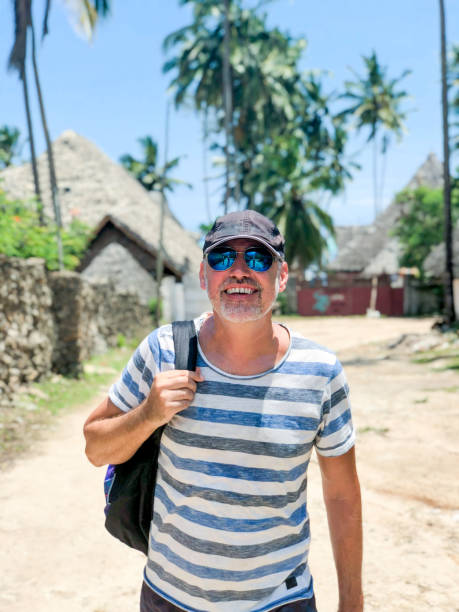
Jambiani Village Tour: Authentic 2-Hour Swahili Cultural Experience in Zanzibar


⏱
Duration
2 Hours
👥
Group Size
1-6 People
🚶
Difficulty
Easy Walking
💰
From
$13 per person
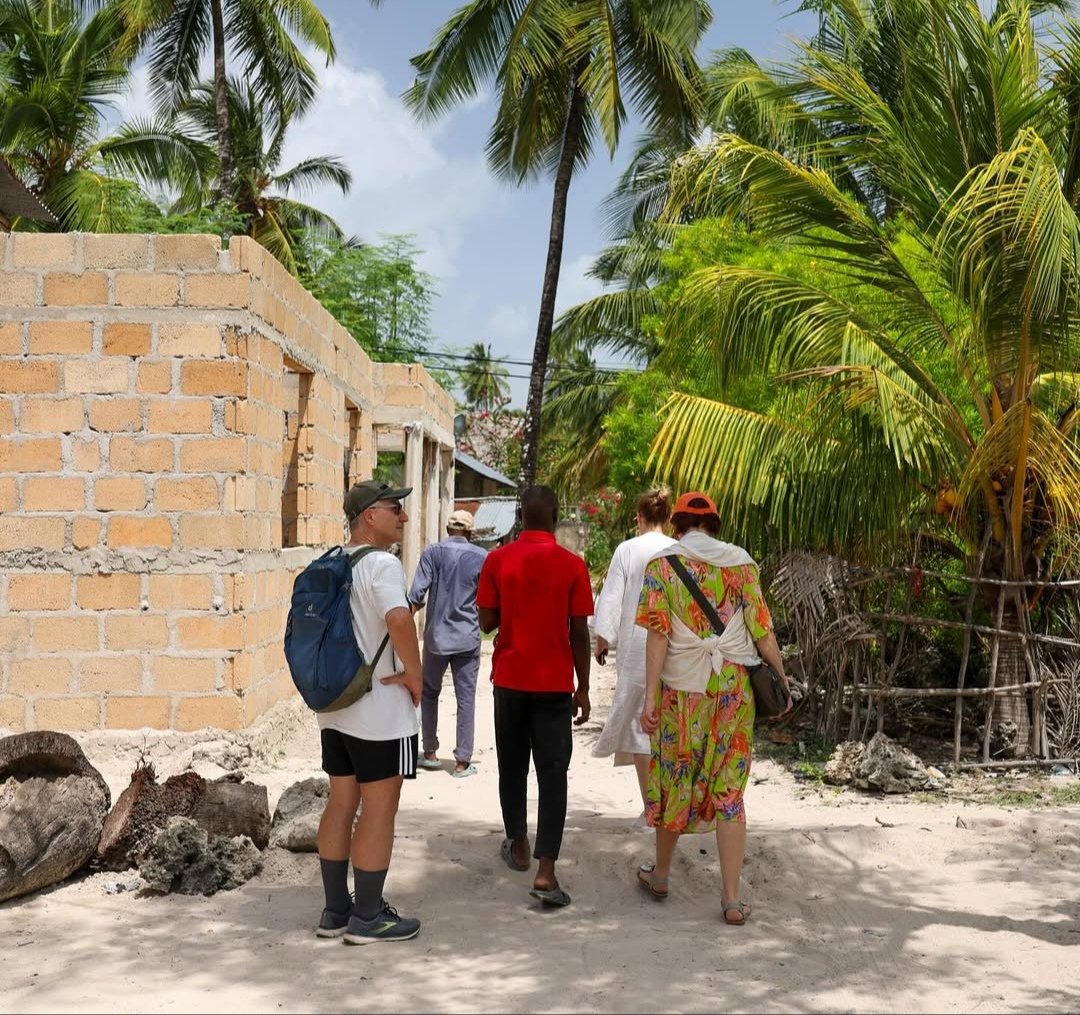
Step off the tourist trail and into the authentic rhythm of Zanzibar island life. Our Jambiani Village Tour isn't just sightseeing, it's a genuine cultural immersion that opens doors most visitors never get to see.
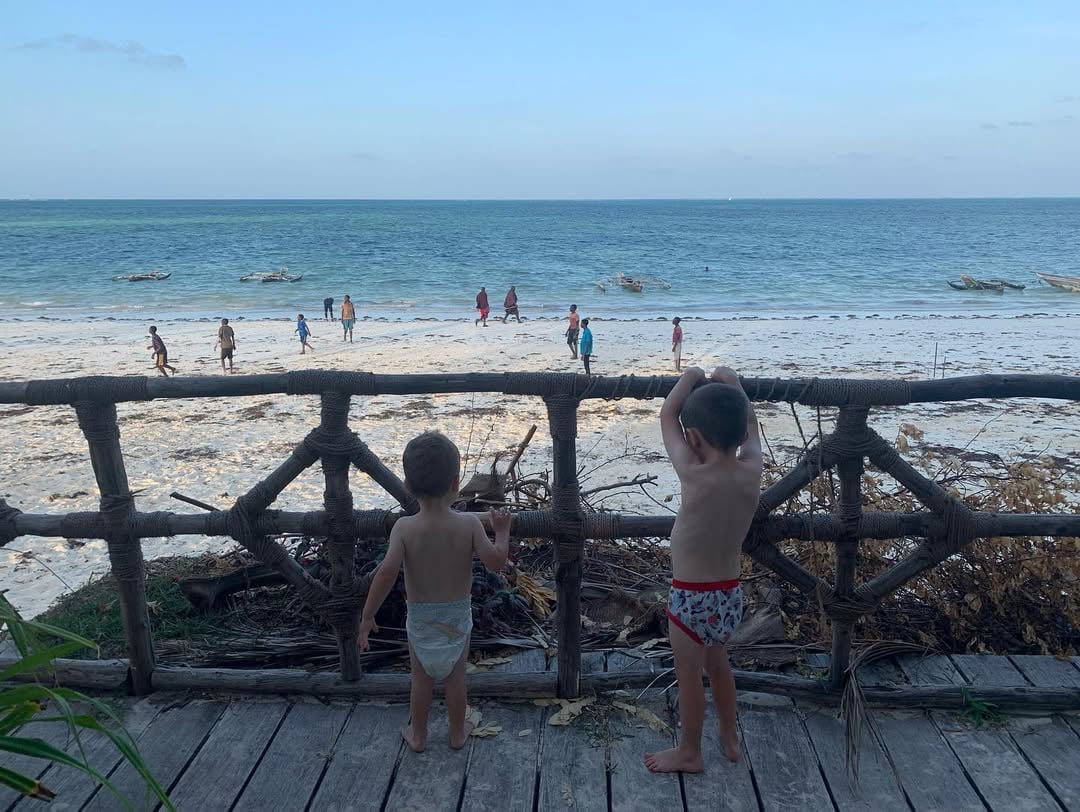
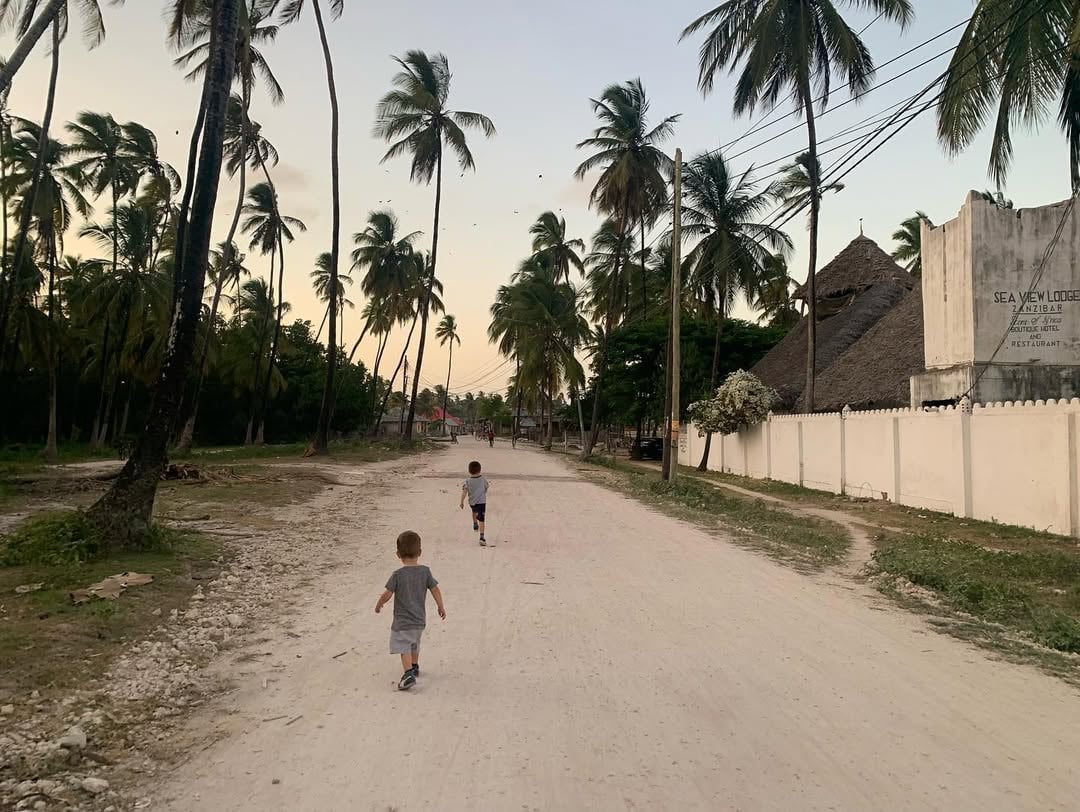
Picture this: the morning sun filters through palm trees as you walk alongside your local guide through sandy pathways where children play and neighbors greet each other in Swahili. You'll smell fresh spices from outdoor kitchens, hear the call to prayer echo across the village, and witness the daily traditions that have shaped this coastal community for generations.
This intimate 2-hour walking tour takes you beyond the beaches and resorts into the living, breathing heart of Jambiani - a traditional fishing village where Swahili culture thrives in its most authentic form.
You'll visit a local family's home, observe education at both the community school and madrasa, understand healthcare in the village hospital, and gain profound insights into the economic activities, religious practices, and family structures that define life in coastal East Africa.
What Makes This Tour Special
Unlike superficial "drive-by" cultural experiences, this tour is built on genuine relationships between our local guides and their community. You're not observing from a distance - you're being welcomed as a guest into spaces where real life happens. This is cultural exchange at its finest: respectful, educational, and deeply human.
Experience Highlights
🏠
Traditional Home Visit
Enter a local family's home and learn about traditional Swahili architecture, daily routines, and hospitality customs
📚
Community School
Witness education in action and understand the challenges and hopes for the next generation
🕌
Madrasa Visit
Gain insight into Islamic education and its central role in village life and cultural identity
🏥
Village Hospital
Learn about community healthcare, traditional medicine, and modern medical challenges
🐟
Local Livelihoods
Discover how villagers earn income through fishing, seaweed farming, and traditional crafts
❤
Cultural Exchange
Engage in meaningful conversations about beliefs, family values, and community life
Your 2-Hour Journey: Step by Step
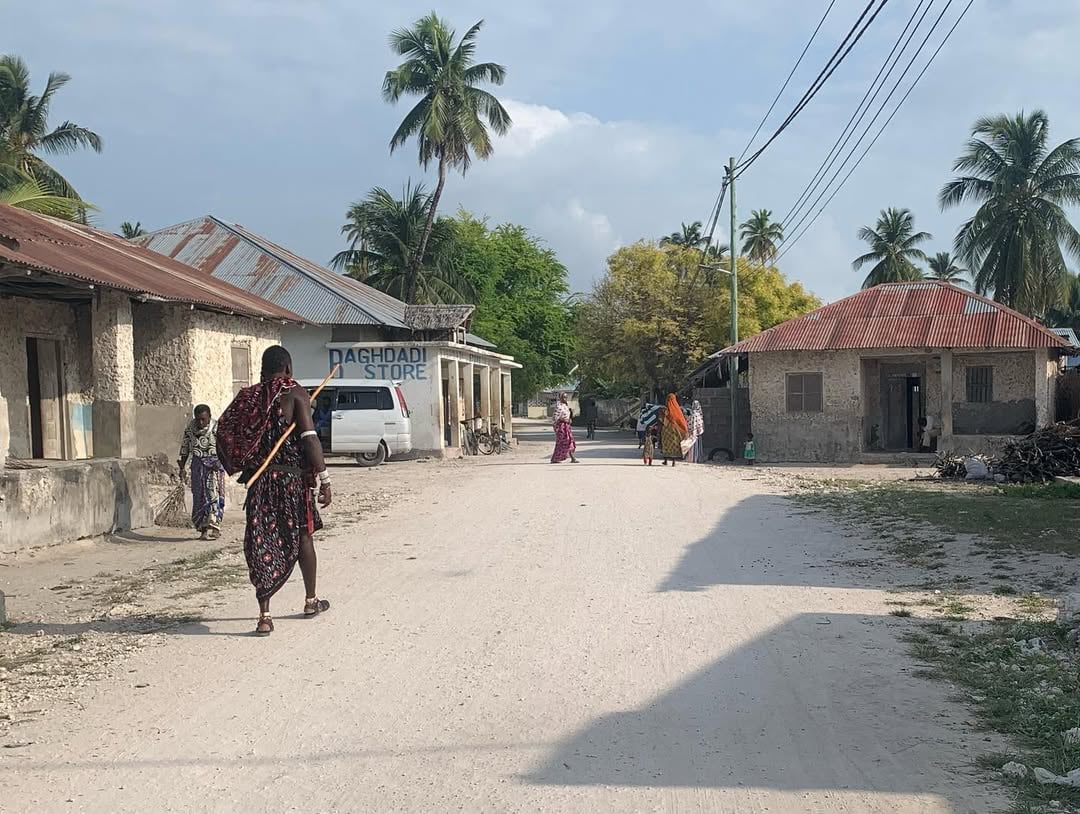
Start: Welcome & Introduction
Meeting Your Guide
Your journey begins with a warm Swahili greeting from your local guide—a Jambiani resident who knows every corner of the village. After brief introductions, you'll receive context about the village's history, the day's route, and cultural etiquette to ensure a respectful visit.
20 minutes: Traditional Home
Inside a Swahili Household
Step into a traditional Swahili home where coral stone walls keep interiors cool and family life centers around communal spaces. Your host family will show you their kitchen, explain cooking methods using charcoal stoves, and share stories about family structure, marriage customs, and the role of extended family. You might see traditional crafts being made or taste a homemade snack.
25 minutes: Community School
Education & Future Hopes
Visit the local primary school where children learn in Swahili and English. Depending on timing, you may observe classes in session or explore empty classrooms while your guide explains the education system, challenges like resource shortages, and the community's commitment to learning despite obstacles. This stop often becomes the most touching part of the tour.
20 minutes: Madrasa
Islamic Education & Faith
The madrasa (Islamic school) reveals another dimension of village education. Learn about Quranic studies, the five pillars of Islam, and how religious education shapes daily life from childhood. Your guide will explain prayer times, religious festivals like Ramadan and Eid, and the beautiful integration of faith into community life.
20 minutes: Village Hospital
Healthcare & Wellbeing
At the community health center, gain perspective on rural healthcare in East Africa. Understand the balance between traditional healing practices and modern medicine, hear about common health challenges, maternal care, and how the community supports its most vulnerable members.
20 minutes: Economic Life
Livelihoods & Daily Work
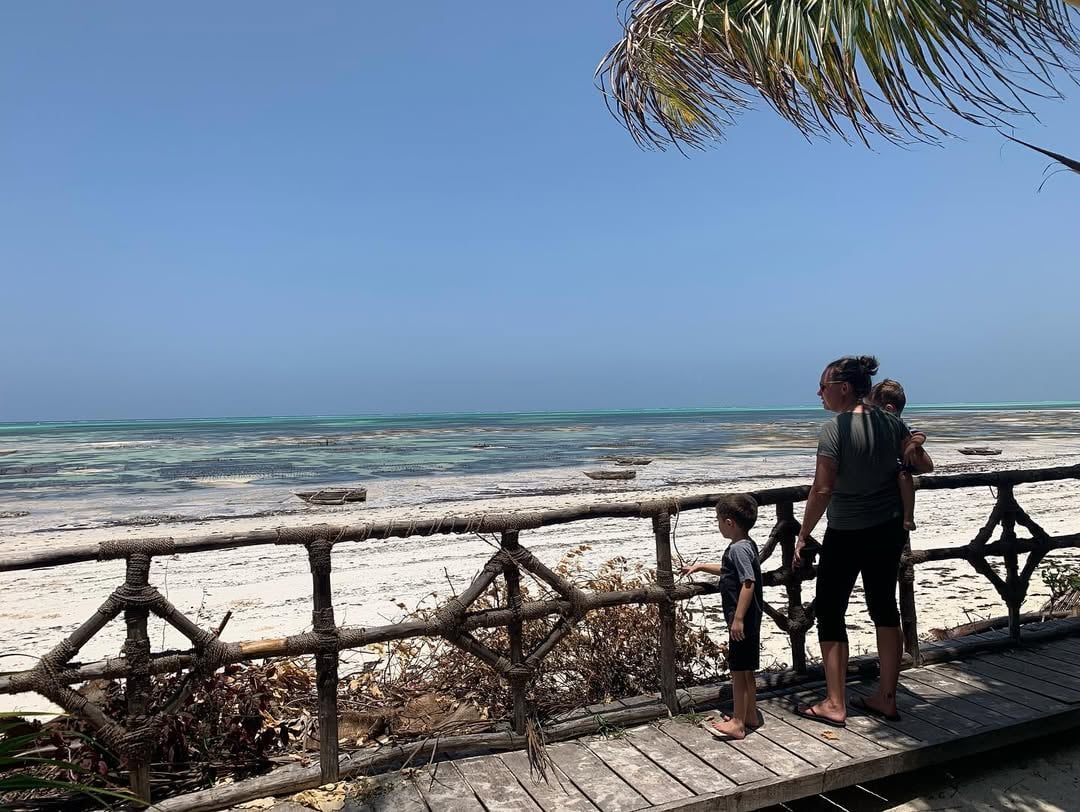
Walk through areas where daily economic life unfolds—perhaps near the beach where fishing boats return with the catch, or where women harvest seaweed during low tide. Learn about seasonal fishing, the seaweed farming industry (vital for many families), small businesses, and the growing influence of tourism on traditional livelihoods.
Final 15 minutes: Reflection
Refreshment & Closing Conversation
Conclude with a refreshing local drink while your guide answers questions and shares final thoughts. This is your chance to clarify anything you've seen, understand deeper nuances, or simply reflect on the experience you've just had.
Why This Tour Transforms Travelers
✓
Authentic Local Guides
Your guide is from Jambiani, ensuring genuine insights and meaningful connections with community members
✓
Small, Intimate Groups
Maximum 6 people ensures personalized attention and doesn't overwhelm the spaces you visit
✓
Community-Based Tourism
Your tour fee directly supports local families and community development projects
✓
Beyond Surface Level
This isn't tourism theater—these are real homes, schools, and institutions where life happens daily
✓
Educational & Eye-Opening
Leave with genuine understanding of Swahili culture, not just photographs
✓
Respectful Cultural Exchange
Carefully designed to honor local customs while satisfying genuine curiosity
"This was the highlight of our Zanzibar trip. Our guide Mohammed opened his village to us with such warmth and honesty. Visiting his neighbor's home, seeing the school children, and learning about daily challenges and joys gave us perspective no beach resort ever could. We left with deep respect and new friends."
— Sarah & Tom, UK travelers
Transparent Pricing
Groupunts available - the more friends, the better value!
Solo Traveler
$40 USD per person
2 People
$30 USD per person
3 People
$25 USD per person
4 People
$15 USD per person
B 5-6 People
$15 USD per person
What's Included
Expert local guide from Jambiani village
2-hour guided walking tour
Access to local home, school, madrasa, and hospital
Authentic cultural insights and storytelling
Refreshing traditional drink
Small group experience (max 6 people)
Community contribution supporting local development
Know Before You Go
⚠ Important Considerations
Heat & Sun: The tour involves outdoor walking in tropical conditions. Bring water, wear sunscreen, and consider morning tours to avoid midday heat.
Children: While families are welcome, the 2-hour duration and walking involved may challenge very young children. Best suited for ages 8+.
Modest Dress Required: Out of respect for the Muslim community, please wear clothing that covers shoulders and knees.
Photography: Always ask permission before photographing people, especially in private homes and religious spaces.
What to Bring
Comfortable walking shoes (sandals acceptable)
Sun protection (hat, sunscreen, sunglasses)
Water bottle
Camera (with respect for privacy)
Small bills for optional donations or purchases
Open mind and respectful curiosity
Best Time to Visit
Tours run year-round. Morning tours (8-10 AM) are cooler and coincide with school hours. Afternoon tours (3-5 PM) catch the village coming alive after the hottest part of the day. We recommend avoiding the midday heat (11 AM - 2 PM).
Accessibility
The tour involves walking on sandy paths and uneven terrain. While the pace is relaxed, it may not be suitable for those with significant mobility limitations. Please contact us to discuss specific needs.
Understanding Jambiani: Context That Enriches Your Visit
Jambiani isn't a village frozen in time for tourist consumption - it's a living community navigating the intersection of tradition and modernity on Zanzibar's southeastern coast.
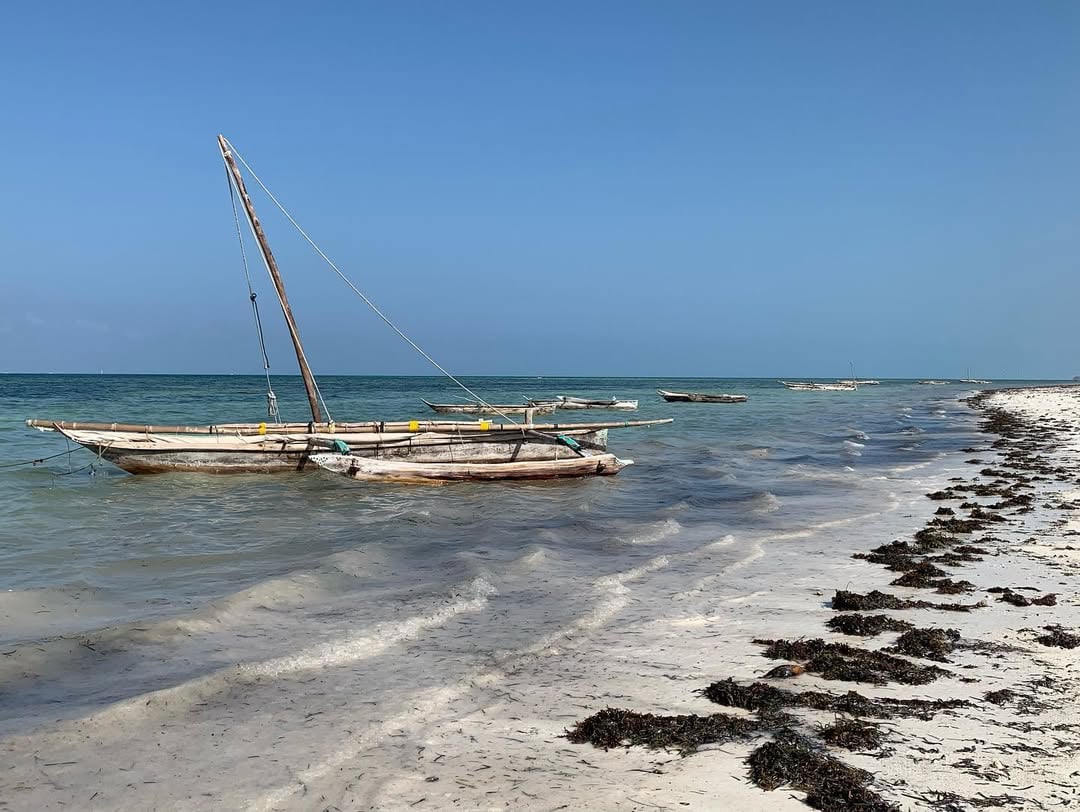
For centuries, Jambiani's identity has been shaped by the ocean. Fishing sustained families, with dhows (traditional sailing vessels) venturing into the Indian Ocean's rich waters. In recent decades, seaweed farming has become equally important, particularly for women who harvest the crop during low tides to supply the global cosmetics and food industries.
The village is predominantly Muslim, and Islam permeates daily life - from the five prayer calls that structure the day to the social customs that govern everything from dress to gender interactions. Yet Jambiani's Islam is distinctly Swahili: a coastal blend that has absorbed centuries of Indian Ocean trade influences while maintaining deep religious devotion.
Education is highly valued but challenged. Parents dream of their children accessing opportunities beyond the village, yet schools struggle with resources. The tension between preserving cultural identity and preparing youth for a globalized world is palpable and honestly discussed during your tour.
Tourism has arrived in Jambiani, bringing both opportunity and complexity. While some villagers now work in hotels or tourism businesses, others continue traditional fishing and farming. Your tour guide will help you understand these dynamics without sugar-coating the challenges or romanticizing poverty.
Responsible Tourism Commitment
This tour is designed around principles of responsible, community-based tourism. A significant portion of your tour fee goes directly to the families and institutions you visit. Your guide is paid fair wages that exceed typical tourist industry standards. We don't stage "authentic" experiences—what you see is real village life, and your presence supports the community economically while fostering cross-cultural understanding.
Frequently Asked Question
Is this tour appropriate for solo travelers?
Absolutely! Solo travelers often find this tour especially rewarding. You'll have your guide's full attention and the flexibility to ask detailed questions. Many solo travelers tell us this was their favorite Zanzibar experience.
Will we be intruding on people's privacy?
Not at all. All visits are arranged with families and institutions that have agreed to host guests. These are genuine partnerships built on mutual respect. The community benefits from tourism income and cultural exchange, and they genuinely enjoy sharing their way of life with respectful visitors.
Do I need to speak Swahili?
No. Your guide speaks excellent English and will translate conversations. That said, learning a few basic Swahili phrases like "Jambo" (hello) and "Asante" (thank you) is appreciated and adds to the experience.
Can I bring gifts for the community?
While appreciated, it's not expected. If you wish to contribute, school supplies (pens, notebooks) are always welcome. Alternatively, your tour fee already includes a community contribution. Avoid giving money or candy directly to children as this can create unhealthy expectations.
How physically demanding is the tour?
The tour is an easy, leisurely walk with frequent stops. Total walking distance is less than 2 kilometers on mostly flat terrain. Anyone with basic fitness will find it comfortable. We walk at your pace and there are plenty of rest opportunities.
What happens if it rains?
Light rain doesn't stop the tour (bring an umbrella). In heavy rain, we can reschedule for no additional charge. Most stops offer shelter, so the tour can continue with minor adjustments.
Is the tour available every day?
Tours run daily except during major Islamic holidays when the community observes religious practices. We recommend booking in advance to secure your preferred time slot.
Can we take photos?
Yes, but always ask permission first, especially when photographing people. Some spaces like the madrasa may have restrictions. Your guide will advise you. Many villagers are happy to be photographed, but respect is paramount.
What if I have dietary restrictions for the refreshment?
The refreshment is typically a simple local drink like coconut water or fruit juice. Please inform us of any allergies or restrictions when booking, and we'll ensure alternatives are available.
What Travelers Are Saying
"We've traveled to 30+ countries and this ranks among our most meaningful experiences. Our guide didn't just show us around, she opened her world to us. The honesty about both the beauty and challenges of village life was refreshing. We laughed with families, played with children at the school, and left with a completely different understanding of Zanzibar beyond the beach resorts."
— Jennifer M., Canada
"As a solo female traveler, I felt completely safe and welcomed. The cultural insights were profound without being preachy. I particularly appreciated learning about women's roles in seaweed farming and how education is changing opportunities for girls. This tour gave context to everything else I experienced in Zanzibar."
— Emma R., Australia
"Brought my teenage sons (ages 14 and 16) on this tour and they were engaged the entire time. The guide answered their sometimes awkward questions with patience and humor. Seeing real life in a completely different culture was eye-opening for them. Way better than another beach day!"
— David K., United States
Ready to Experience Authentic Jambiani?
Join us for a 2-hour journey that will change how you see Zanzibar
Complete Your Jambiani Experience
Pair your village tour with these other authentic local experiences:
🐚
Join local women during low tide to learn about seaweed cultivation - a vital income source for coastal families
🎣
Go out with local fishermen in traditional dhows and experience centuries-old fishing techniques
🍲