Zanzibar Spice Tour: Your Complete Guide to an Authentic Island Experience


What You'll Learn in This Guide
If you're considering a spice tour in Zanzibar, you probably have questions. How long does it take? What will you actually see and do? Is it worth the money? Which farms are genuinely good versus tourist traps?
We've spent years exploring Zanzibar's spice farms and talking to travelers who've taken these tours. This guide gives you everything you need to make an informed decision and have an incredible experience if you decide to go.
Quick Overview:
Duration: 4 hours total (including pickup and return)
Cost: $40–120 per person depending on group size
Best months: June through October
What's included: Transportation, guide, farm walk, cooking class, lunch
Who it's for: Anyone curious about where food comes from, culture enthusiasts, families
Is a Spice Tour Actually Worth It?
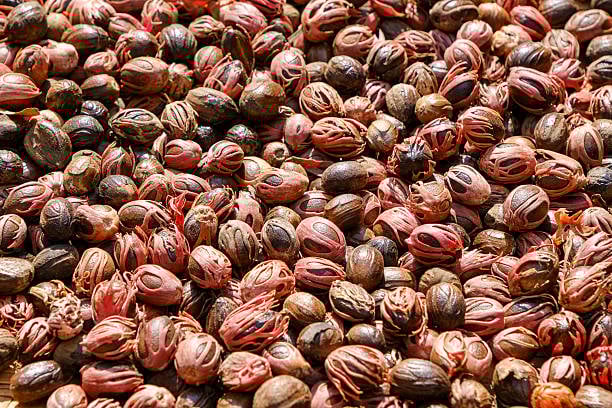
Freshly harvested nutmegs are laid out to dry in the sun (Zanzibar Island)
Let's be honest - not every "must-do" tourist activity lives up to the hype. So what makes Zanzibar's spice tours different?
Here's what you're really getting:
It's not just walking and looking. You'll touch vanilla orchids, peel cinnamon bark yourself, crack open cardamom pods, taste fresh jackfruit, and grind spices by hand. This is hands-on and engaging, not a passive museum experience.
You'll learn skills you can use at home. The cooking class teaches you how to layer spices properly, which combinations work together, and techniques you can replicate in your own kitchen. Many travelers say they cook differently after this experience.
It supports real families. Most spice farms are small, family-run operations. Your visit provides income directly to farming communities, not corporate tour companies. You'll meet the people who actually grow these spices.
It helps you understand Zanzibar. The island's entire history, economy, and culture revolve around spices. Taking this tour gives context to everything else you'll see in Stone Town's markets and restaurants.
That said, this tour isn't for everyone. If you have mobility issues (there's walking on uneven ground), hate humidity, or simply aren't interested in agriculture or cooking, you might find better ways to spend four hours.
What Actually Happens on a Spice Farm Tour
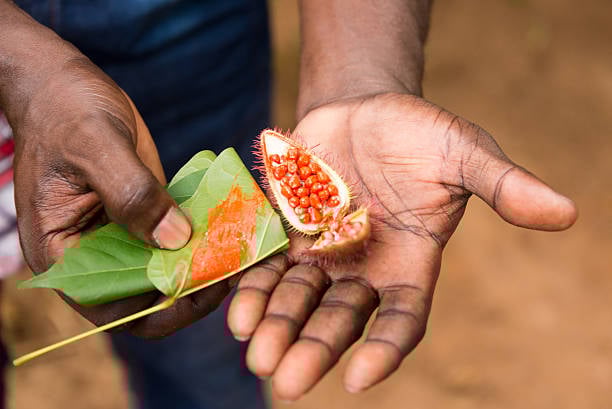
Farm worker on zanzibar spice plantation presenting freshly harvested annatto food coloring seed during a guided spice tour
Most tours follow a similar structure. Here's the realistic timeline:
Morning: Pickup and Drive (30 minutes)
Your guide picks you up from your hotel. The drive takes you through rural areas where you'll see daily Zanzibari life - kids walking to school, women at water pumps, farmers on bicycles. It's interesting if you've been staying in resort areas and haven't seen much of local life.
Arrival: Welcome and Introduction (15 minutes)
At the farm, you'll meet your guide (usually a local farmer or someone who grew up in the area). They'll give you fresh coconut water and explain what you'll be doing. Most guides speak good English and have a sense of humor about them.
The Main Event: Walking the Plantation (90 minutes)
This is the heart of the experience. You'll walk through shaded paths while your guide points out plants and explains:
How each spice grows – Most people are surprised to learn vanilla comes from orchids, or that nutmeg and mace come from the same fruit. Seeing these plants in person makes them real in a way that grocery store jars never could.
Traditional cultivation methods – You'll see hand-pollination of vanilla (it has to be done flower by flower), coconut shells used as organic fertilizer, and intercropping techniques that have been used for generations.
Cultural and medicinal uses – Beyond cooking, many spices are used in traditional healing. Cloves for toothaches, turmeric for skin conditions, ginger for digestion. Your guide will share knowledge passed down through their family.
You'll encounter: cloves, vanilla, cinnamon, cardamom, nutmeg, black pepper, turmeric, ginger, lemongrass, and usually some surprises like the "lipstick plant" or ylang-ylang flowers used in perfumes.
The fruit tasting: Throughout the walk, you'll sample tropical fruits - whatever's in season. Expect things like jackfruit, passion fruit, mangoes, rambutans, and star fruit. This often becomes people's favorite part because it's spontaneous and fun.
Return (30 minutes)
Drive back to your hotel with a full stomach and probably some spices you bought.
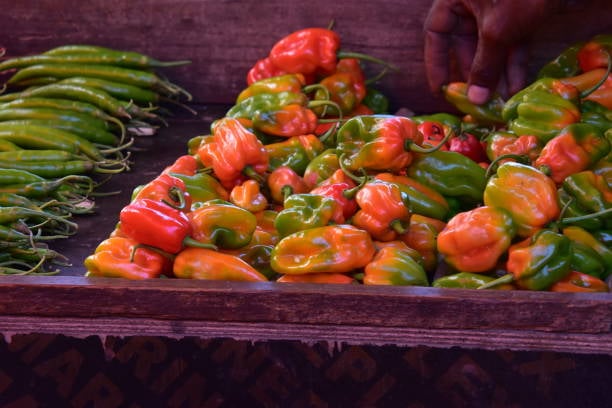
Bright multicolored peppers at the market
How Much Does a Spice Tour Cost?
Prices vary based on group size. Here's what you should expect to pay:
| Number of People | Price Per Person |
|---|---|
| Going solo | $125 |
| 2 people | $80 |
| 3 people | $60 |
| 4 people | $55 |
| 5 people | $45 |
| 6 or more | $40 |
What's included in this price:
Round-trip transportation from your hotel
All entrance fees
English-speaking local guide
The full plantation walk
Hands-on cooking class
Traditional lunch
Fruit tastings
Usually some spice samples to take home
What's not included:
Tips for your guide (optional but appreciated - $5-10 is generous)
Extra spices or products you buy at the farm shop
Is this a fair price? For context, this is significantly cheaper than similar agricultural tourism in places like Tuscany or Napa Valley. You're getting four hours of guided experience, transportation, and a meal for less than $50 per person if you're in a group.
The bigger your group, the better the value. If you're traveling with family or friends, it makes sense to book together.
Booking tip: Most reputable operators offer free cancellation up to 24 hours before the tour, so you can book without worrying about sudden plan changes.
Understanding Zanzibar's Spice History
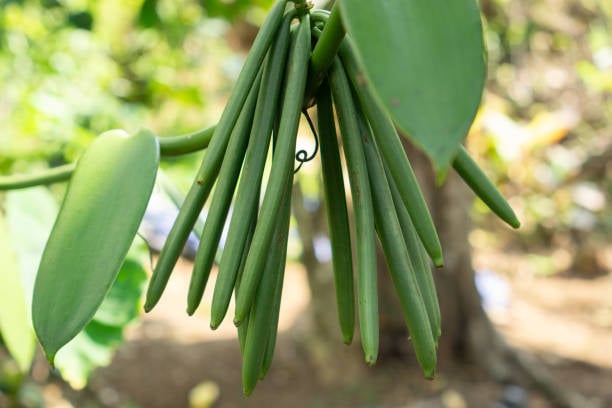
Vanilla plants that bearing fruit
Knowing the backstory makes your farm visit more meaningful. Here's the condensed version:
The Portuguese Era (1500s): Portuguese traders introduced clove trees and other Asian spices to Zanzibar. The island's volcanic soil and coastal humidity created perfect growing conditions.
The Omani Golden Age (1800s): Sultan Seyyid Said moved his capital from Oman to Zanzibar and established massive spice plantations. The island became the world's largest clove producer. Stone Town's grand buildings were built on spice wealth - literally, cloves were sometimes worth more than gold.
The Cultural Integration: Spices became woven into Zanzibari daily life beyond just cooking. Cloves for toothaches and breath freshening. Turmeric for skincare. Cinnamon for colds. Nutmeg for nursing mothers. Every family had traditional knowledge about medicinal uses.
Today: While tourism has diversified Zanzibar's economy, spices remain culturally and economically important. Most farms are still family-owned operations using traditional methods passed down through generations.
When you visit a spice farm, you're not just seeing agriculture - you're witnessing a living cultural tradition that connects modern Zanzibar to its 500-year-old trading history.
Practical Tips to Make Your Tour Better
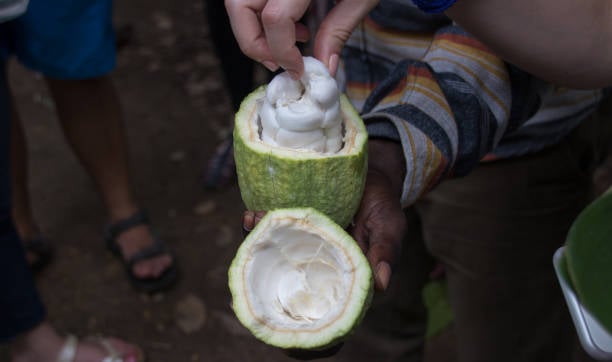
Tasting fresh cocoa fruit out from the tree, on plantation close to Zanzibar Town
When to Go
Best months: June through October. This is harvest season for many spices, weather is dry, and conditions are comfortable for walking. Book 2-3 weeks in advance during this period.
Budget option: March through May. Fewer tourists mean potentially lower prices and more personal attention. The vegetation is lush and beautiful. Downside: occasional rain and higher humidity.
Avoid if possible: Late April and early May - this is peak rainy season.
What to Bring
Essential:
Comfortable walking shoes (not flip-flops—terrain is uneven)
Hat and sunglasses
Sunscreen
Insect repellent (mosquitoes in shaded areas)
Water bottle
Recommended:
Camera or smartphone
Small bills for tips
Lightweight long sleeves (sun protection)
Don't bother:
Fancy clothes (you might get dusty)
Expensive jewelry
Large bags
How to Get the Most From Your Guide
Ask questions. Good guides love engaged visitors. Ask about their family's history with the farm, how climate change affects crops, what spices they use at home, regional cooking variations - anything you're genuinely curious about.
Be patient with fruit tastings. Don't rush through these moments. Sit, savor, and chat with your guide. These spontaneous interactions often become favorite memories.
Try everything in the cooking class, even if you think you won't like it. You might surprise yourself.
Take photos respectfully. Always ask before photographing people. Offer to share photos if you can.
Making It Part of a Bigger Day
Since the tour is only 4 hours, you can combine it with other activities:
Morning spice tour + afternoon Jozani Forest: See the endangered red colobus monkeys after your farm visit. This makes a perfect full-day cultural and nature combination.
Spice tour on your way to/from Stone Town: If you're traveling between the beaches and Stone Town, stop at a spice farm along the way. Saves time and transportation costs.
Spice tour + Stone Town evening: Return to Stone Town for sunset, then explore Forodhani Night Market where you'll see chefs cooking with the spices you just learned about.
Common Questions People Have
"Is this just a tourist trap?"
The good farms aren't. You're visiting real working agricultural operations that have existed for generations. Yes, tourism provides income, but these are legitimate farms first and tourist attractions second.
"Will kids be bored?"
Most kids ages 6 and up enjoy these tours, guides are entertaining. The fruit tasting, palm-leaf crown making, and hands-on cooking keep children engaged. Very young children (under 5) might struggle with the walking and heat.
"Do I need to tip the guide?"
Tips aren't required, but they're appreciated. Most guides earn modest wages, and tourism income supports their families. If you had a great experience, $5-10 per person is generous and meaningful.
"Can I buy spices at the farm?"
Yes, and this is actually one of the better places to buy. The spices are fresh, properly dried, and usually cheaper than Stone Town shops. Quality is excellent because you're buying directly from producers. Bargaining is acceptable but be reasonable, these are family livelihoods.
"Is it safe?"
Very safe. These tours have been operating for decades without incident. The farms are in rural areas with tight-knit communities. Your biggest concern will be staying hydrated and wearing sunscreen.
"What if it rains?"
Most of the walk is under tree cover, so light rain isn't a problem. Heavy rain is rare outside March-May. If weather is truly terrible, we will reschedule or refund you.
What This Experience Actually Teaches You
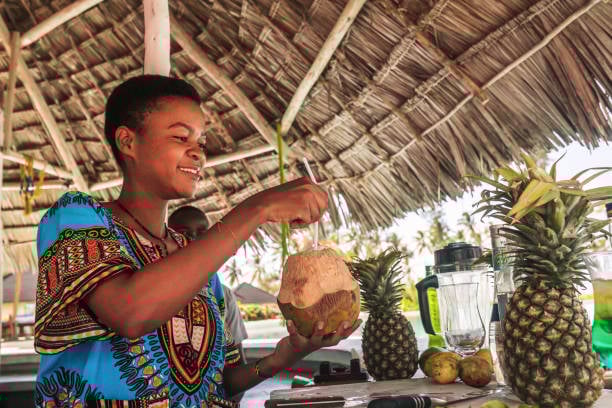
African bartender preparing a fruit coctail
Beyond the obvious (where spices come from), here's what you'll really learn:
Patience and craft. Watching someone hand-pollinate vanilla flowers - each one individually, at exactly the right time of day - gives you new respect for the food we often take for granted.
Interconnection. You'll see how farmers use every part of every plant. Coconut shells become fertilizer. Banana leaves wrap food. Nothing is wasted. It's a lesson in sustainability that predates the modern environmental movement by centuries.
Flavor complexity. Once you've smelled fresh cinnamon bark and store-bought cinnamon side by side, you'll understand why freshness matters. Your cooking will change because you'll think about spices differently.
Cultural preservation. These tours help keep traditional knowledge alive. When young Zanzibaris see tourists interested in their heritage, it reinforces the value of maintaining these practices rather than abandoning them for modern industrial methods.
Human connection. The best moments often happen spontaneously - your guide teaching you a Swahili phrase, sharing a story about their grandmother's cooking, or laughing together when you can't crack open a coconut properly.
The Real Impact of Your Visit
When you book a spice tour, your money travels further than you might think.
Direct family support: Most farms are multigenerational family operations. Your tour fee helps pay for children's school fees, medical care, and home improvements.
Preservation of traditional methods: Tourism revenue proves that organic, traditional farming is economically viable. Without this income, many families would switch to industrial methods or sell their land to developers.
Cultural continuity: Young Zanzibaris are more likely to stay in agriculture and maintain traditional knowledge when they see outsiders valuing their heritage.
Environmental protection: Successful spice farms create incentive to maintain biodiversity, protect watersheds, and avoid deforestation. These farms act as green corridors that benefit the entire ecosystem.
Fair employment: Guides, cooks, and farm workers receive direct income without corporate middlemen taking large cuts.
This isn't charity - you're getting genuine value for your money. But it's worth understanding that your choice to visit a family-run farm over a commercialized operation has ripple effects throughout the community.
How to Book Your Spice Tour
Option 1: Book in advance online
This is the easiest approach, especially during June-October when tours fill up. Look for operators with:
Clear pricing and inclusions
Free cancellation policies (24 hours notice)
Real customer reviews (not just testimonials on their site)
Transparent communication
Booking ahead also lets you coordinate pickup times and any special requests.
Option 2: Book through your hotel
Most hotels and guesthouses can arrange tours. This is convenient, but you'll likely pay 10-20% more than booking directly. The advantage is that hotels screen operators for reliability.
Option 3: Book in Stone Town
You'll find tour operators around Forodhani Gardens and near the Old Fort. You can often negotiate better prices this way, especially for next-day tours. The downside is less certainty about quality—ask to see their license and verify what's included.
Red flags to avoid:
Operators who won't provide written confirmation
Prices that seem too good to be true (under $30 per person)
Vague itineraries ("we'll show you spices")
Pressure to book immediately
No cancellation policy
What to confirm when booking:
Exact pickup time and location
What's included (transport, lunch, cooking class)
Group size (smaller is usually better)
Guide language
Cancellation terms
Making the Most of What You Learn
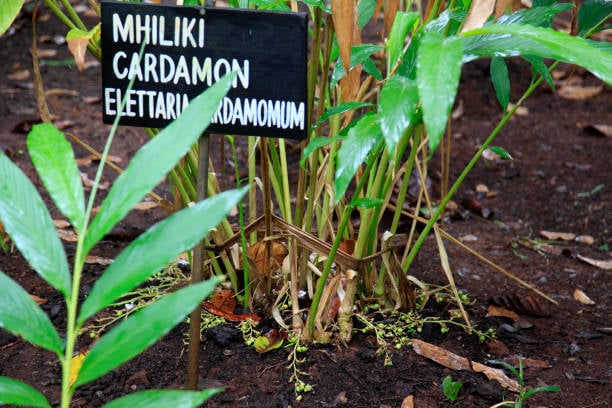
Cardamom plant at Tangawizi Spice Farm, Zanzibar
One of the best parts of this experience is taking knowledge home with you.
Spices to buy at the farm:
Whole cloves (far superior to pre-ground)
Cinnamon sticks (not the fake cassia bark sold most places)
Whole nutmeg with grater
Green cardamom pods
Vanilla pods (if you're willing to pay - they're expensive but worth it)
Turmeric root (can be frozen)
Cooking techniques you'll learn:
How to bloom spices in oil to release their aromatics
Proper grinding techniques (why mortar and pestle beats electric grinders)
Layering spices at different cooking stages
Balancing heat levels with different peppers
Using fresh vs. dried versions of the same spice
Recipes you can recreate:
Zanzibari pilau rice (cloves, cardamom, cinnamon)
Coconut bean curry
Simple fish with turmeric and ginger
Spiced chai tea
Chapati bread
Most guides will share recipes verbally. Bring a small notebook if you want to capture these accurately.
Final Thoughts: Is This Experience for You?
A spice tour works best if you're someone who:
Enjoys learning where food comes from
Appreciates cultural experiences over beach lounging
Likes hands-on activities (not just observation)
Has curiosity about agriculture and traditional practices
Wants to support local communities directly
Cooks or plans to cook when you get home
It's probably not the right choice if you:
Have severe mobility limitations (uneven walking terrain)
Dislike humidity and heat
Aren't interested in food or cooking
Prefer air-conditioned, modern tourist experiences
Are only in Zanzibar for 1-2 days and want to prioritize beaches
For most visitors to Zanzibar, this ranks among their top 3 experiences - often cited alongside snorkeling and Stone Town exploration. It's authentic, educational, and genuinely enjoyable rather than feeling like an obligation.
The investment is modest (under $50 per person for groups), the time commitment is reasonable (4 hours), and the memories and knowledge last far longer than a day at the beach.
If you're still reading this, you're probably the right person for this experience.
Ready to Experience Zanzibar's Spice Heritage?
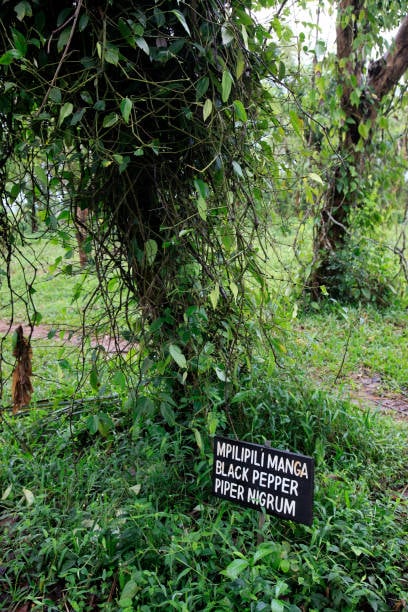
Black pepper at Spice Farm, Zanzibar
Now that you understand what a spice tour involves, what it costs, and how to choose a good farm, you're ready to book.
Remember:
Book 2-3 weeks ahead during June-October
Larger groups get better per-person pricing
Bring comfortable shoes, sun protection, and curiosity
Look for operators offering free 24-hour cancellation
This isn't just tourism - it's a window into Zanzibar's soul, a chance to understand the island beyond its beaches, and an opportunity to connect with the people and traditions that make this place special.
The spices that once drew sultans and traders from across the Indian Ocean are still here, still grown by families who've tended these plants for generations, still fragrant and full of stories.
All you have to do is show up, pay attention, and let yourself be transported, not just to a spice farm, but into a living tradition that connects past and present, earth and table, strangers and friends.
Explore More Zanzibar Guides
Getting Around:
Dala-Dala: Zanzibar’s iconic Public Transport
Cultural Experiences:
Forodhani Night Market: Your Complete Food Guide
Practical Information:
When is the Best Time to Travel to Zanzibar?
Planning Your Trip:
Best Zanzibar Airport Transfers: Affordable Options for Every Traveler
Have questions about spice tours we didn't cover? Drop us a message, we're here to help you plan an authentic Zanzibar experience.