
Local Sailing Trip in Zanzibar: Your Complete Guide (2026)


Why a Traditional Dhow Sailing Trip Matters
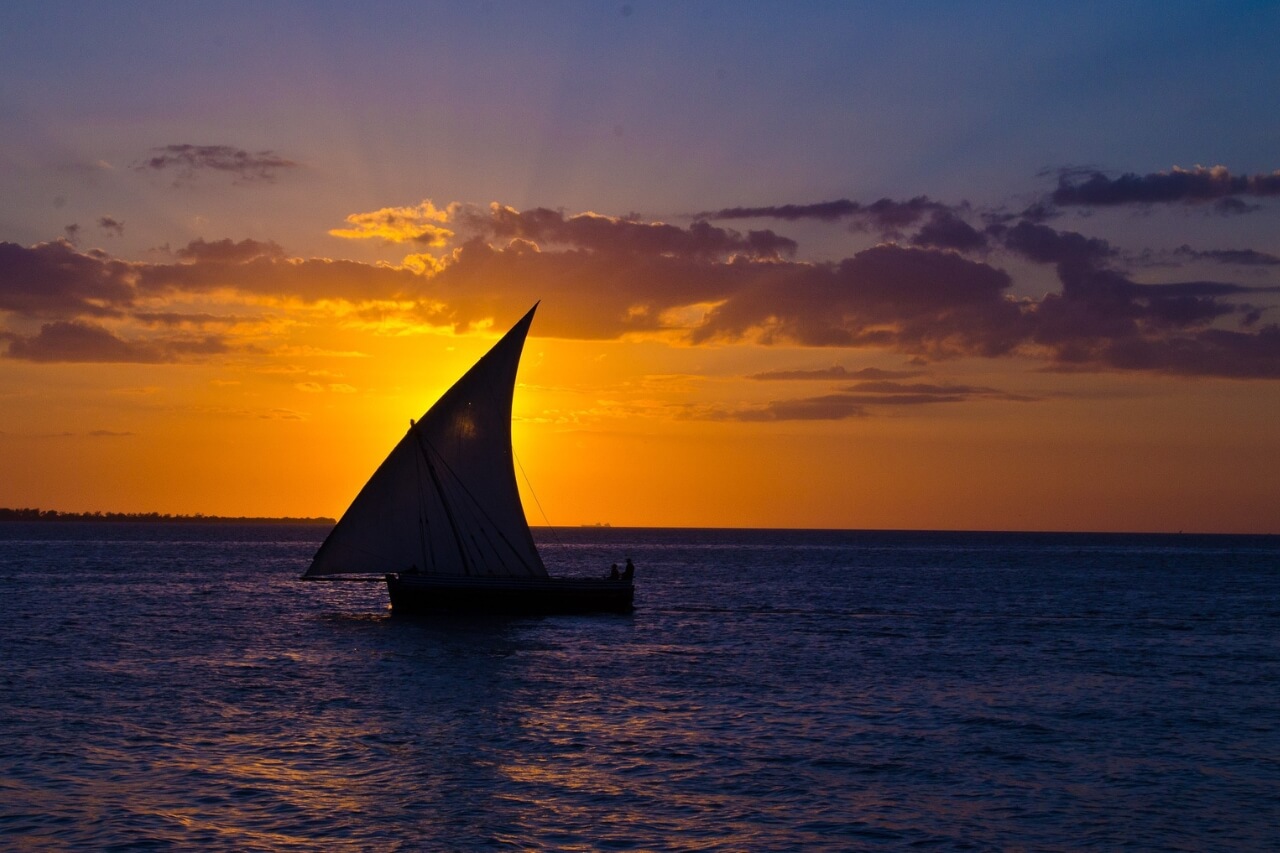
Zanzibar's relationship with the sea runs deeper than tourism. For centuries, these islands have relied on traditional wooden dhows, elegant sailing vessels that connected East Africa to Arabia, India, and beyond. When you step aboard one of these boats, you're not just taking a scenic ride. You're experiencing a living piece of Swahili maritime culture that has survived modernization.
A local sailing trip differs fundamentally from the commercialized sunset cruises marketed to tourists. You sail with captains who learned navigation from their fathers and grandfathers, who still use traditional techniques to read wind and current, who know every reef and sandbar along the coast from a lifetime of fishing these waters.
This 1.5-hour experience strips away everything unnecessary. No loud music, no crowded decks, no preset routes that ignore weather conditions. Just you, a wooden boat, an experienced captain, the wind, and the endless turquoise expanse of the Indian Ocean.
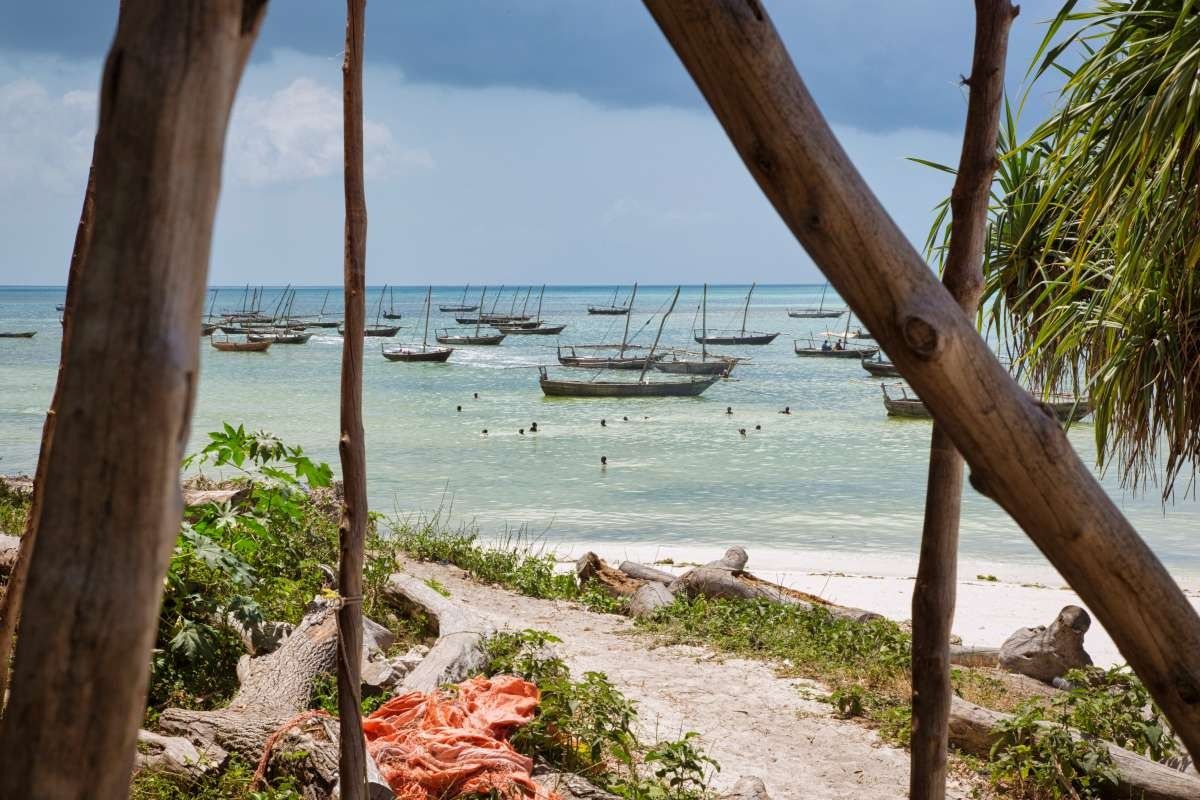
The simplicity is the point. This is Zanzibar at its most authentic - before resorts, before cruise ships, before Instagram changed how people travel. It's coconut palms swaying on white sand beaches, water so clear you can see the sandy bottom five meters down, and the gentle creaking of wood as the dhow responds to wind and waves.
Quick Details:
Duration: 1.5 hours
Departure: Flexible timing based on tides and your schedule
Boat type: Traditional wooden dhow with sail
Group size: 1-10 people (intimate experience)
Includes: Sailing, optional snorkeling, captain expertise
What Happens During Your 1.5 Hours
Let's walk through the realistic timeline of your sailing experience.
Meeting Your Captain
You meet your captain at the beach near your accommodation or at a designated launch point. Most captains are local fishermen who've been sailing these waters since childhood. They'll assess wind conditions, tide timing, and your interests before deciding the best route for your trip.
This initial conversation matters. Tell your captain what you're hoping for - pure sailing relaxation, snorkeling opportunities, photography of coastal scenery, or learning about traditional navigation. Good captains adapt the experience to match your interests.
Boarding and Launch (10 minutes)
The dhow sits in shallow water, often just knee-deep. You wade out and climb aboard - there's usually a small wooden plank or the captain helps you up. The boat rocks gently as you settle in.
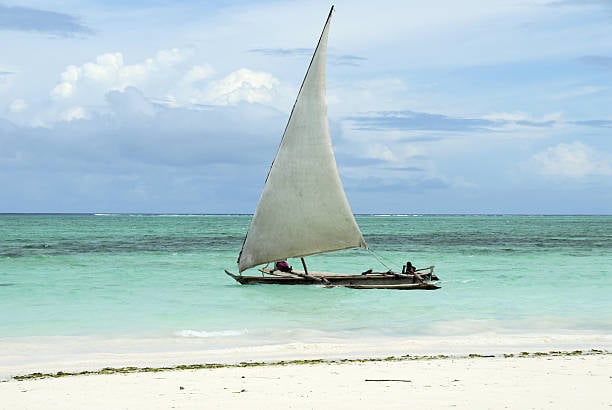
Traditional dhows have a simple layout: wooden deck, basic seating (often just the deck itself with cushions or mats), a mast with triangular lateen sail, and minimal modern equipment. Some have small outboard motors for emergencies, but the point is sailing, not motoring.
Once everyone's aboard, the captain and often a crew member (sometimes a young apprentice learning the trade) push the boat into deeper water. When there's sufficient depth, they hoist the sail.
The Sailing Experience (60-70 minutes)
This is the heart of your experience. The sail catches wind and the dhow begins moving with surprising grace for such a simple vessel. The motion is gentle - dhows have a smooth, steady rhythm rather than the aggressive pounding of motorboats.
Your route depends on conditions, but typically the captain sails parallel to the coast, giving you stunning views of Zanzibar's eastern shoreline. You'll see:
Endless white sand beaches stretching into the distance, often completely empty of people. During low tide, the exposed tidal flats create layered colors - white sand, turquoise shallows, deeper blue channels.
Palm tree groves lining the shore, bending dramatically from years of ocean wind. Some areas have traditional villages visible from the water - simple homes with thatched roofs, fishing nets drying in the sun, children playing on the beach.
Reef formations visible below the surface in shallow areas. When you're sailing over just 2-3 meters of water, you can see coral heads, seagrass beds, and sometimes fish schools darting beneath the boat.
Other dhows working nearby - fishermen checking nets, seaweed farmers tending their underwater plots during low tide, occasional tourist boats in the distance.
The captain might point out landmarks, explain how dhows navigate using wind patterns and coastal features, or share stories about fishing in these waters. Some captains are talkative and eager to share knowledge. Others are quieter, letting the experience speak for itself. Both approaches work.
Optional Snorkeling Stop (20-30 minutes)
If you're interested, the captain can anchor near a reef or shallow area for snorkeling. This isn't a dedicated snorkeling trip like Blue Lagoon - it's more spontaneous and exploratory.
The captain provides basic snorkeling gear (mask and snorkel - fins usually aren't included on sailing trips). You jump directly from the dhow into water that's typically 2-4 meters deep.
What you might see depends on where the captain anchors:
Starfish are common in sandy patches between coral. Blue starfish and cushion stars rest on the bottom, easy to spot against the white sand.
Small tropical fish swim around coral heads - damselfish, wrasses, butterflyfish, juvenile parrotfish.
Octopuses occasionally hide in coral crevices, though they're masters of camouflage and easy to miss.
Sea urchins cluster on rocks and coral surfaces.
Seagrass beds sway in the current, home to small fish and invertebrates.
This snorkeling is more about spontaneous discovery than comprehensive reef tours. You're not visiting the area's best snorkel sites (those require dedicated trips), but you're experiencing how locals explore their own waters - casually, without pressure, seeing what nature presents in the moment.
Return Journey (10-15 minutes)
The captain navigates back toward shore, often taking a different angle to catch the wind efficiently. As you approach the beach, crew members prepare for landing - lowering the sail at the right moment, using the motor if needed in very shallow water, positioning the boat for easy exit.
You wade back to shore, typically arriving back salty, wind-blown, and refreshed rather than exhausted.
Pricing for Traditional Dhow Sailing (2026)
Here's what you should expect to pay:
| Group Size | Price Per Person |
|---|---|
| 1 person | $40 |
| 2 people | $25 |
| 3 people | $20 |
| 4 people | $15 |
| 5 people | $13 |
| 6+ people | $13 |
What's included:
1.5 hours of traditional dhow sailing
Experienced local captain
Basic snorkeling equipment (mask and snorkel)
Flexibility to adjust route based on conditions and interests
Not included:
Hotel pickup and drop-off
Fins for snorkeling (usually not provided on sailing trips)
Refreshments
Underwater camera
Tips for captain (optional but appreciated—$3-5 is generous for a 1.5-hour trip)
Why the price difference by group size? The dhow, captain's time, and fuel (if needed) cost the same whether you're solo or in a group of six. Larger groups simply share these fixed costs, reducing the per-person price significantly.
Money-saving tip: If you're traveling solo or as a couple and want a better rate, ask your accommodation if they can connect you with other guests interested in sailing. Many guesthouses can help coordinate small groups.
Best Times for Dhow Sailing in Zanzibar
Timing significantly affects your sailing experience. Here's what to consider.
Best Months of the Year
June through October: Peak sailing season. Consistent southeast trade winds provide reliable sailing conditions. Clear skies and calm seas make this ideal for first-time sailors. Water visibility for snorkeling is excellent during these months.
December through February: Also excellent. Northeast monsoon winds are generally moderate and predictable. Warm water temperatures (26-28°C) make spontaneous swimming more appealing.
March through May: Long rains season. Morning conditions are often beautiful with dramatic cloud formations. However, afternoon thunderstorms are common, and wind can be unpredictable. This is low season, so you might negotiate better prices.
November: Transition month with variable conditions. Some days are spectacular, others are rainy. It's a gamble.
Best Time of Day
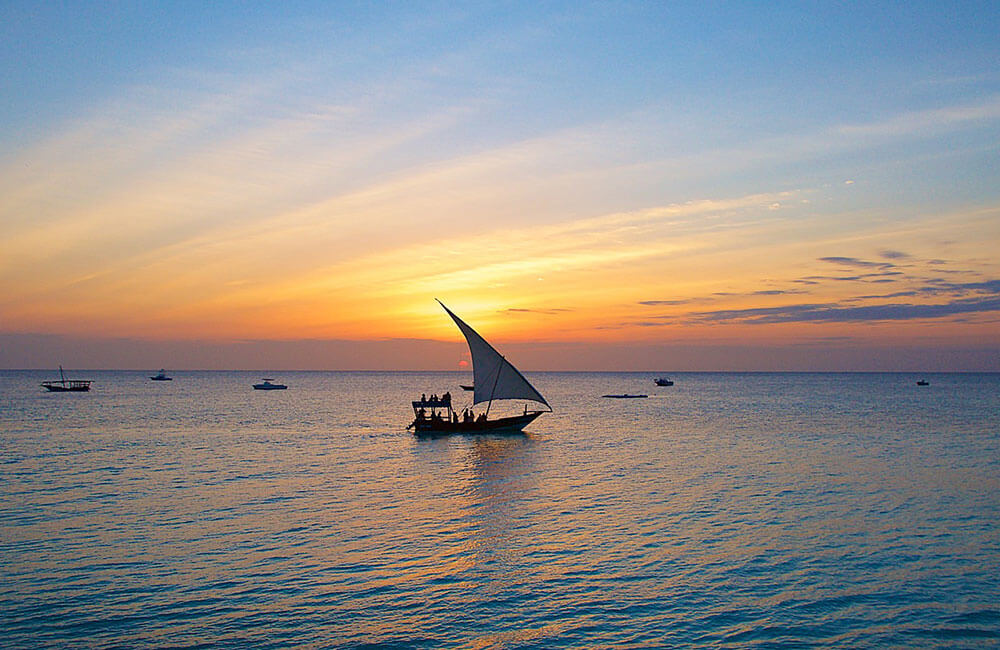
Late afternoon (3:00-5:00 PM): Many captains prefer this timing. Afternoon winds are typically stronger and more consistent, providing better sailing. The heat of midday has passed, making time on the water more comfortable. If your timing works out, you'll return as golden hour begins, creating beautiful light for photos.
Morning (8:00-10:00 AM): Also good, especially during calmer seasons. Mornings often have lighter, more predictable winds. The water is glass-smooth early, and you'll have more energy. Better for nervous sailors who prefer gentler conditions.
Midday (11:00 AM-2:00 PM): Functional but not ideal. The sun is intense directly overhead, there's minimal shade on open dhows, and winds can be variable during this period.
Tide Considerations
Tides matter more for dhow sailing than for motorboat trips.
High tide: Deeper water allows the captain to sail closer to shore and explore shallow areas without grounding. Easier launch and landing.
Low tide: Exposed tidal flats can be beautiful to photograph, but very low tides limit where dhows can safely sail. You might need to walk further out to launch.
Rising or falling tide: Many captains prefer sailing during tidal movement. Tidal currents can assist sailing in certain directions, and fish are often more active during these periods.
Our captain will know the tide schedule and will suggest optimal timing when you book. Trust their recommendation - they understand how tides affect specific routes.
Who Should Experience Traditional Dhow Sailing
This experience is perfect for:
Couples seeking romance and simplicity. There's something inherently romantic about traditional sailing - just you, your partner, gentle wind, and endless ocean. The unhurried pace creates space for conversation or comfortable silence.
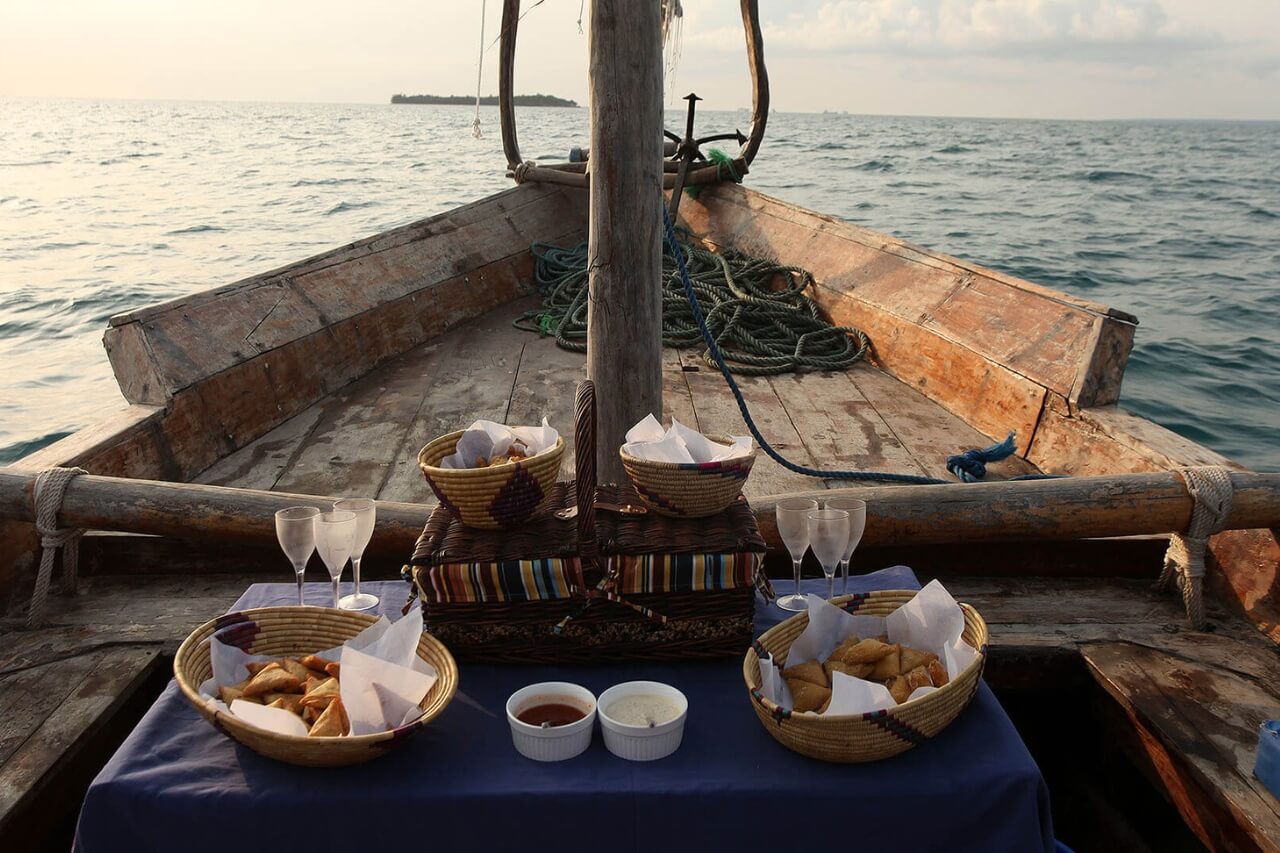
Photographers and content creators. The dhow itself is photogenic (weathered wood, billowing sail, rope details). Coastal scenery from the water provides unique perspectives. Late afternoon light creates golden-hour magic.
Cultural travelers. If you value authentic experiences over commercialized tourism, sailing with local captains offers genuine cultural exchange. You're participating in a tradition that predates tourism by centuries.
Anyone seeking peaceful relaxation. No loud motors, no crowds, no rigid schedules. Just wind, waves, and the creaking of wood. It's meditative.
Families with older children (ages 8+). Kids who can swim and understand water safety can enjoy dhow sailing. Younger children might get restless during the 1.5 hours.
Budget-conscious travelers. At $13-40 per person, this offers exceptional value for a genuine cultural experience.
This might not be for you if:
You can't swim and are nervous on water. While dhows are stable, there are no railings or safety harnesses. If being on open water causes anxiety, this will be stressful.
You have severe mobility limitations. Boarding requires climbing onto the boat (often from waist-deep water) and sitting on the deck. There are no chairs or back support.
You need amenities. No bathrooms, no shade structures, no refreshments. This is bare-bones traditional sailing.
You expect high-adrenaline adventure. Dhow sailing is peaceful and gentle. If you want speed, excitement, or guaranteed wildlife encounters, this isn't the right experience.
You're prone to severe seasickness. Dhows have a gentle motion, but if you get severely nauseous on boats even in calm conditions, you might struggle.

Essential Tips for Your Best Sailing Experience
What to Wear and Bring
Wear your swimsuit under your clothes. You'll likely get wet during boarding and landing, and you might want to swim or snorkel.
Bring a sarong or light cover-up. The sun reflects intensely off the water. Having something to drape over your shoulders helps.
Reef-safe sunscreen is essential. Apply 20-30 minutes before departure. Reapply every hour. Your face, neck, arms, and legs get constant sun exposure on an open dhow.
Hat that won't blow away. Wide-brimmed hats catch wind and fly off. Baseball caps or hats with chin straps work better.
Sunglasses with retention strap. Glare off the water is intense. If your sunglasses fall in the ocean, they're gone forever.
Waterproof bag for phone and valuables. Dhows don't have dry storage. Assume everything will get splashed at some point.
Small towel. For drying off after snorkeling or getting splashed.
Water bottle. 1.5 hours in sun and wind is dehydrating. Bring your own water - it usually isn't provided.
Leave at the hotel: Expensive jewelry, excessive cash, anything you can't afford to lose in the ocean, large bags.
Communication with Your Captain
Discuss your interests upfront. Do you want maximum sailing time, or equal balance between sailing and snorkeling? Do you want the captain to explain traditional navigation, or prefer quiet contemplation? Clear communication ensures everyone's happy.
Ask about safety equipment. Life jackets should be available if requested. Don't be embarrassed to wear one if it makes you more comfortable.
Understand the flexibility. Traditional sailing depends on wind and weather. If conditions change, the captain might adjust the route or duration. Trust their judgment - they know these waters and want you to be safe and enjoy the experience.
Safety Considerations
The dhow has no railings. Stay seated while the boat is moving unless the captain indicates it's safe to move around. Sudden movements can throw you off balance.
Listen when the captain warns about the boom. The horizontal wooden beam attached to the bottom of the sail (called the boom) swings across the boat when tacking (changing direction). If the captain yells "duck" or signals, duck immediately. The boom can seriously injure you if it hits your head.
Don't sit on the edge of the boat. It's tempting for photos, but you could fall if the boat rocks unexpectedly.
If snorkeling, stay near the boat. Currents can be stronger than they appear. Don't swim far from the dhow - even weak currents can separate you from the boat faster than you realize.
Tell the captain if you feel unwell. Seasickness, overheating, or discomfort should be mentioned immediately. Captains can adjust course, head back early, or anchor in calmer water.
Photography Tips
Bring a waterproof camera or quality phone case. The shots you'll want: the dhow's sail against blue sky, coastal scenery from the water, your captain at work, underwater snorkel shots if you stop, yourself on the boat with ocean backdrop.
Shoot with the sun behind you. Shooting toward the sun creates silhouettes (sometimes beautiful, but often not what you want). Position yourself so the sun illuminates your subject.
Capture the details. Weathered wood texture, rope coils, the captain's hands on the tiller, water droplets on the deck. These details tell the story of traditional sailing.
Take video. Even 10-second clips capture the gentle motion, sound of wind in the sail, and water flowing past the hull in ways photos can't.
Ask your captain before photographing them. Most are fine with it, but asking shows respect.
How Dhow Sailing Fits Into Your Zanzibar Trip
Best paired with: Traditional dhow sailing works well as a late-afternoon activity after a morning of more intensive experiences like Spice Tours or Blue Lagoon snorkeling. The gentle pace provides nice contrast to higher-energy activities.
Location convenience: Most easily arranged from east coast accommodations (Paje, Jambiani, Bwejuu, Pingwe). If you're staying in Stone Town or the north coast, the travel time makes this less practical.
Duration advantage: At just 1.5 hours, this doesn't consume your entire day. You can fit it in between beach lounging, meals, or other activities without feeling rushed.
Weather backup plan: Have a flexible mindset. If wind conditions aren't suitable on your preferred day, good captains will suggest rescheduling rather than providing a mediocre experience. This flexibility ensures you get actual sailing rather than motor-assisted pseudo-sailing.
Booking Your Traditional Dhow Sailing Trip
Book with WeAreZanzibar (Recommended): We connect you directly with experienced local captains we've personally vetted. You get transparent pricing, clear communication in English, and the assurance that your captain is reputable and the boat is safe. We handle all coordination - timing, equipment confirmation, and weather contingency plans. This saves you the hassle of negotiating on the beach while ensuring you support authentic local operators.
Through your accommodation: Most guesthouses and small hotels on the east coast have relationships with local captains. This can work well, though quality varies depending on which captain your hotel uses. Your accommodation can help negotiate pricing and coordinate timing.
Direct with captains: If you meet fishermen on the beach (they're often working on boats in the morning), you can sometimes arrange trips directly. This might be cheaper but requires more initiative and basic Swahili or hand gestures for communication.
What to confirm when booking:
Exact departure time and meeting location
Duration (should be at least 1.5 hours of actual sailing time)
Whether snorkeling equipment is included
Total cost per person and what's included
Group size (how many others will be on the boat)
Red flags to avoid:
Captains who seem intoxicated or unprofessional
Boats in obviously poor condition (major cracks, damaged sail, no safety equipment)
Prices significantly lower than normal (suggests shortcuts or inexperienced captains)
Pressure to book immediately without clear communication
Final Thoughts: The Value of Simplicity
In an age of GPS navigation, fiberglass boats, and engineered experiences, traditional dhow sailing offers something increasingly rare: authentic simplicity. You're not experiencing a recreation of traditional sailing - this is the real thing, practiced by captains who learned these skills for survival, not tourism.
The value isn't in luxury or perfection. The dhow might have patched sails and weathered wood. Your captain might speak limited English. The route might change based on wind conditions you don't understand. That's the point.
This experience asks you to let go of control, trust traditional knowledge, and appreciate beauty that isn't manufactured for tourists. The palm-lined coast hasn't been landscaped. The wind hasn't been engineered. The wooden boat under you represents generations of maritime tradition.
For less than the cost of a restaurant meal, you get 1.5 hours of connection to Swahili culture, peaceful time on the water, and memories of Zanzibar as it existed long before tourism arrived.
That's worth far more than the modest price suggests.


